FAQs
Frequently Asked Questions
Waterproofing and concrete repair can feel complex, especially when it comes to knowing what’s needed, how long it lasts, or what methods are best for your property. Our FAQs are here to help answer common questions and give you a better understanding of the process. If your question isn’t covered here, feel free to get in touch by calling our team on
0423 351 941.
Can you repair concrete rather than replace it?
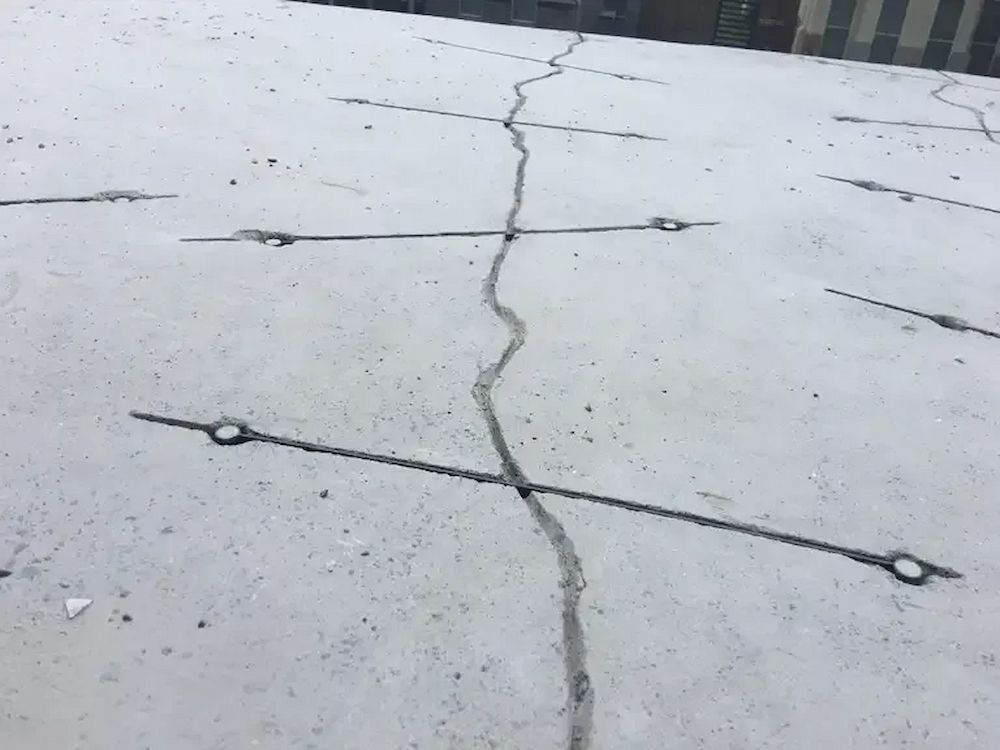
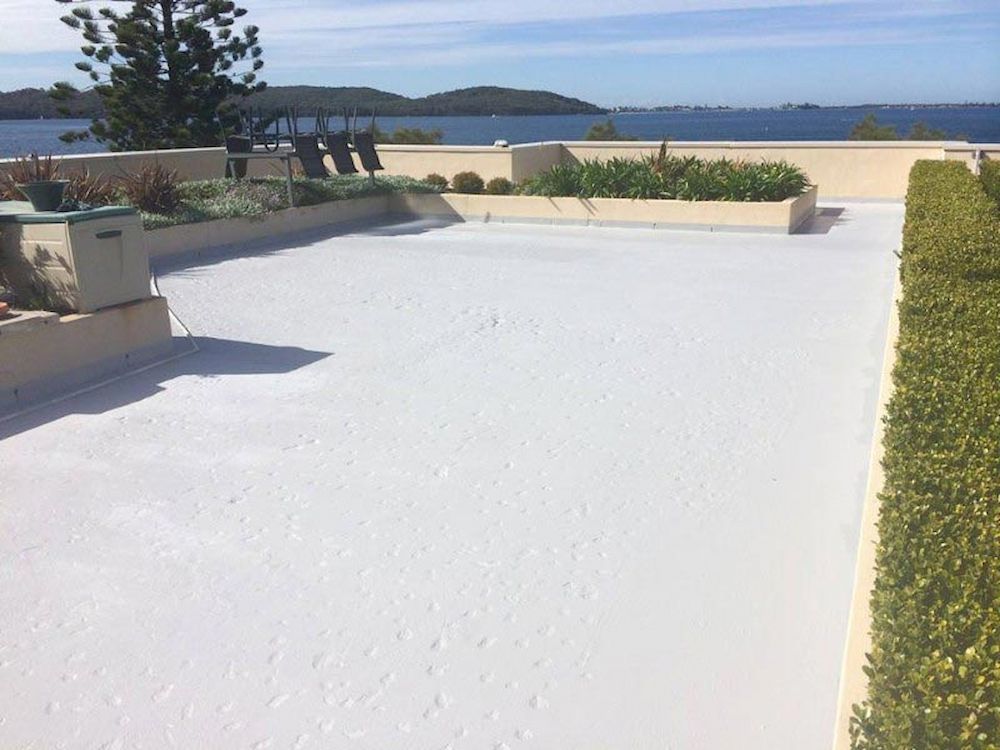
Yes. A crack in your concrete or bitumen doesn’t mean you have to rip it all out and start from scratch. We inject epoxy or polyurethane resins in to the damaged areas to seal them up. This provides increased durability, stability and decreases the risk of further corrosion.
How long does waterproofing last?
Consider It Sealed Waterproofing offers up to 20 years warranty on our waterproofing services.
Can you waterproof wet areas of my home?
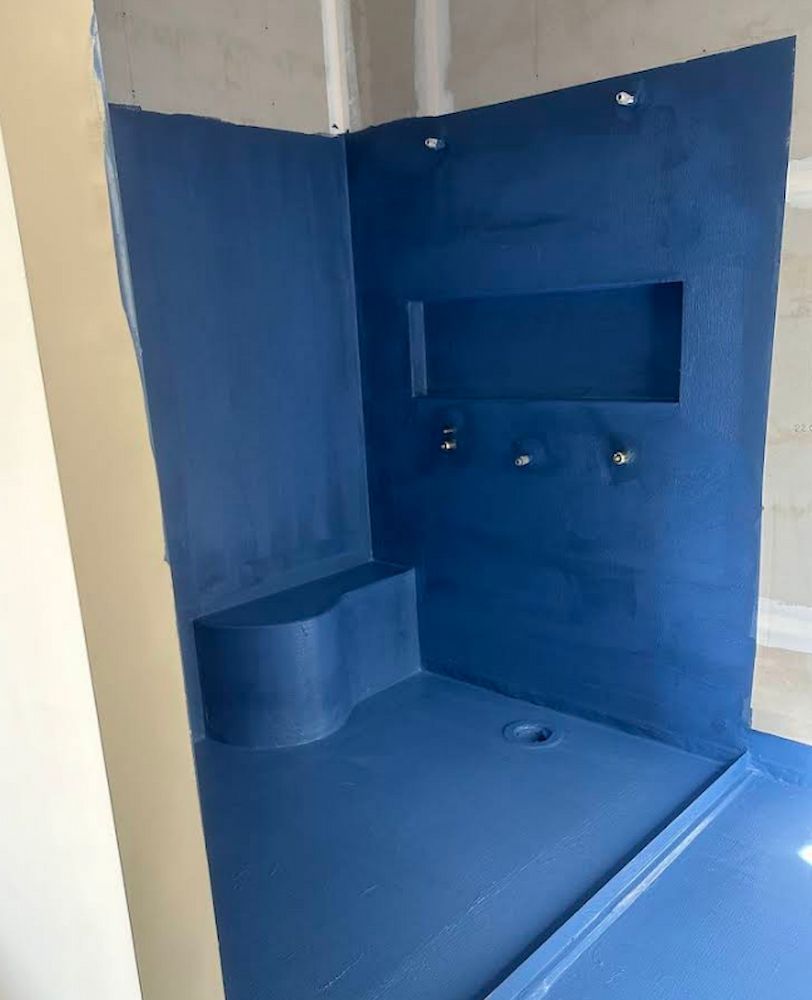
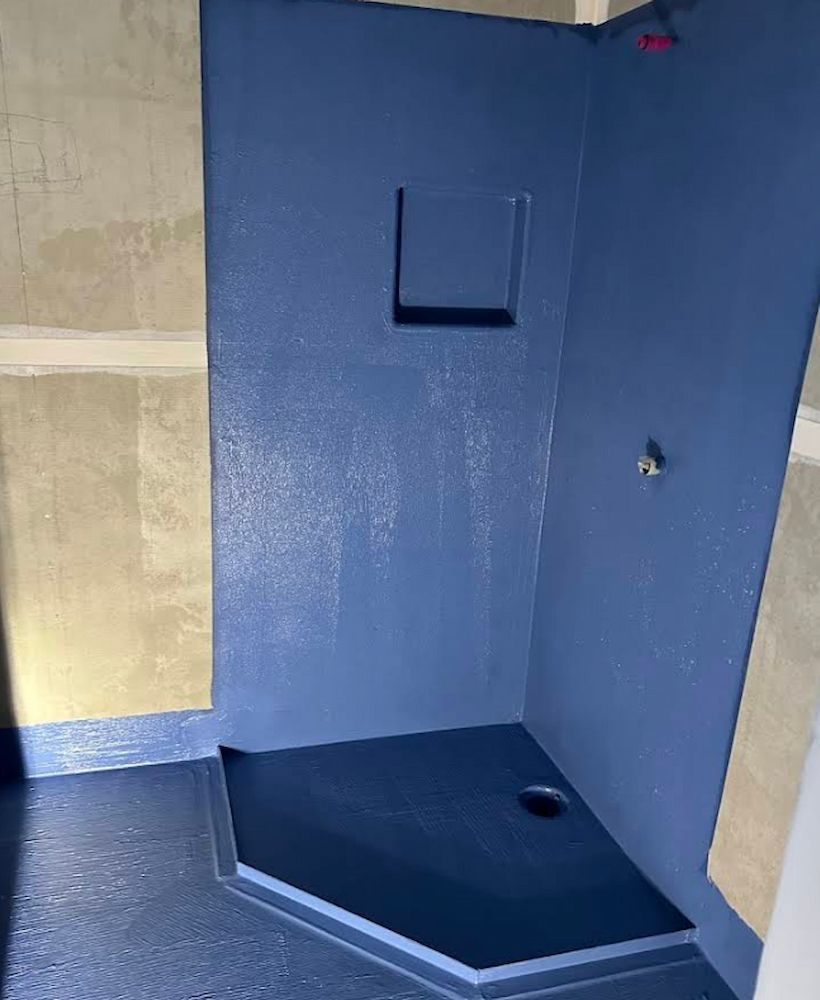
Yes. Wet areas, such as showers, bathrooms and laundries, are at high risk of water damage. We install water-resistant moisture barriers, membranes, silicone compounds and epoxy flooring to prevent water penetration of floors, walls and fixtures.
What advantages does caulking have?
Caulking, or joint sealing, is used to keep moisture out of walls, tiles and floors. It’s also useful for filtering out air, noise and insects.
Can you waterproof my basement?
Yes. Basements, by definition, are built below ground level. The chances for water leakage are extremely high if not properly sealed. Our waterproofing services ensure a healthier living environment for your basement and prevention from water damage to your belongings.
What’s the difference between internal and external waterproofing?
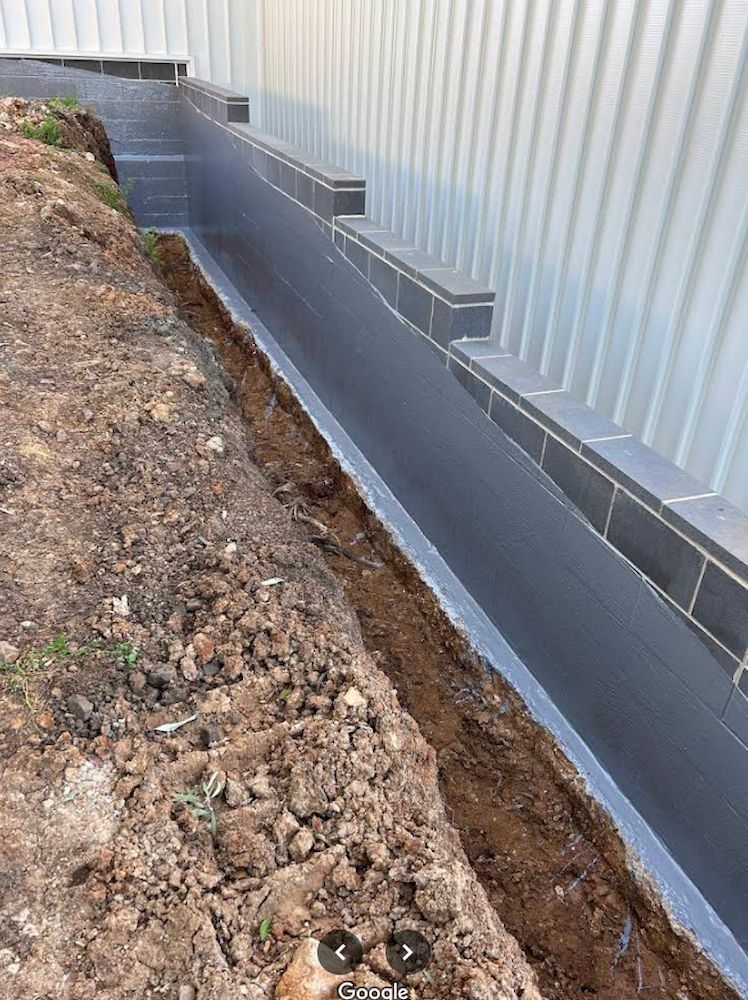
Internal waterproofing refers to sealing surfaces from the inside of a structure—typically with membranes, coatings or grouts that prevent moisture from passing into the interior space. External waterproofing involves treating the outside walls, foundations or retaining structures to block water before it can even reach the interior. External methods are generally considered more effective but may not always be accessible, especially in existing buildings.
How do I know if my home has waterproofing issues?
Signs of waterproofing problems include peeling paint, damp or musty smells, mould growth, wet patches on walls or ceilings, and cracked tiles or grout. In basements or bathrooms, persistent humidity or water pooling after use are red flags. If these issues are left untreated, they can lead to structural damage, unhealthy indoor conditions, and expensive repairs.
Can joint sealing stop leaks in tiled showers?
Yes. Over time, the joints between tiles and wall or floor surfaces can degrade and let water seep through. Resealing these joints with flexible, waterproof compounds can stop leaks without removing the tiles.
Is negative pressure waterproofing effective for rising damp?
Negative pressure waterproofing is commonly used when water is entering from the outside and can't be blocked externally—such as in cases of rising damp or underground water pressure. By applying a specialised waterproof barrier to the inside surface of a wall or floor, it can stop water from passing through.
How long does joint sealing last?
Joint sealing typically lasts between 5 and 15 years, depending on the location, type of sealant used, and exposure to moisture, movement or UV light. Regular inspection and reapplication when signs of shrinkage or cracking appear can help maintain long-term protection.